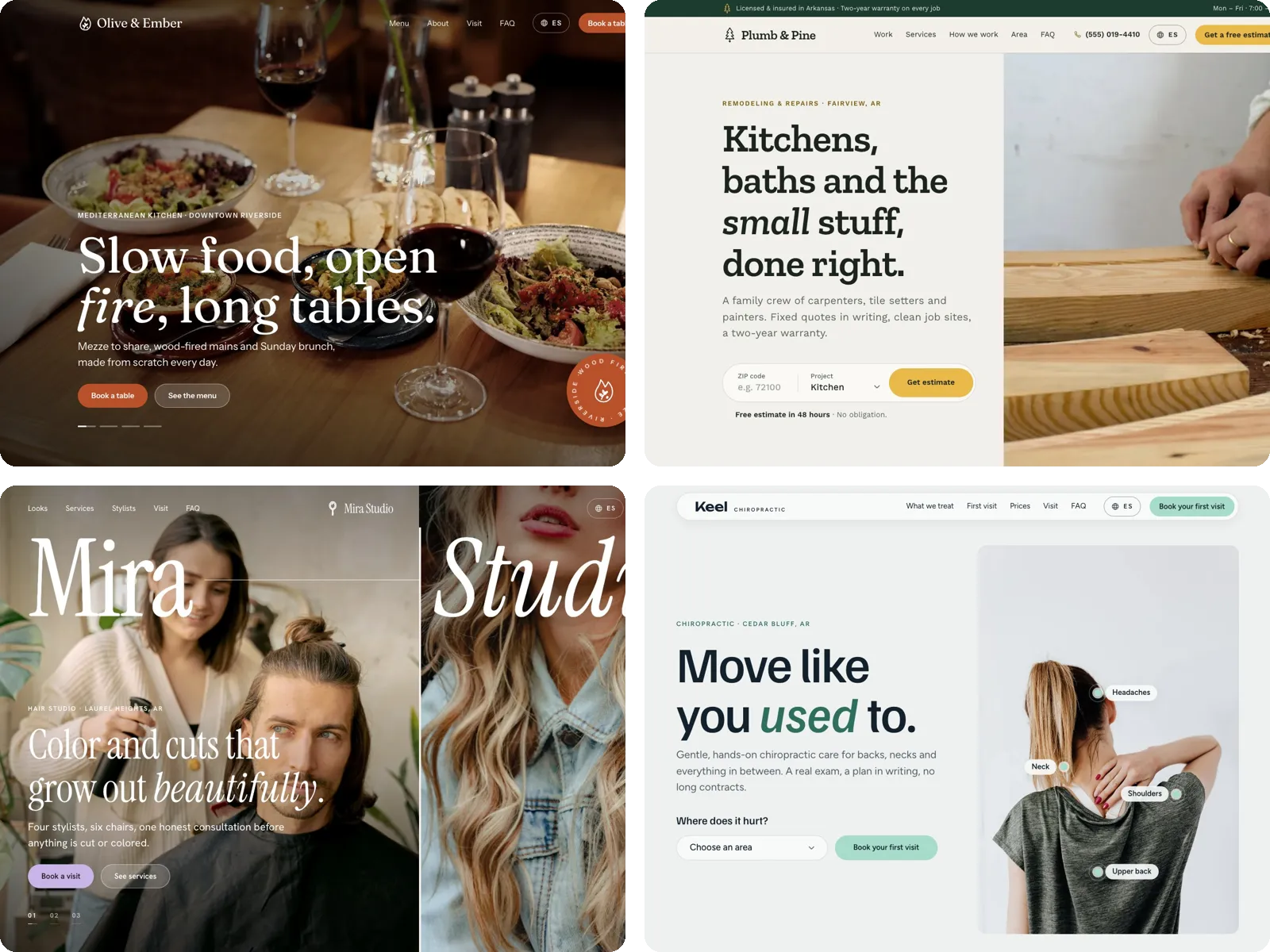
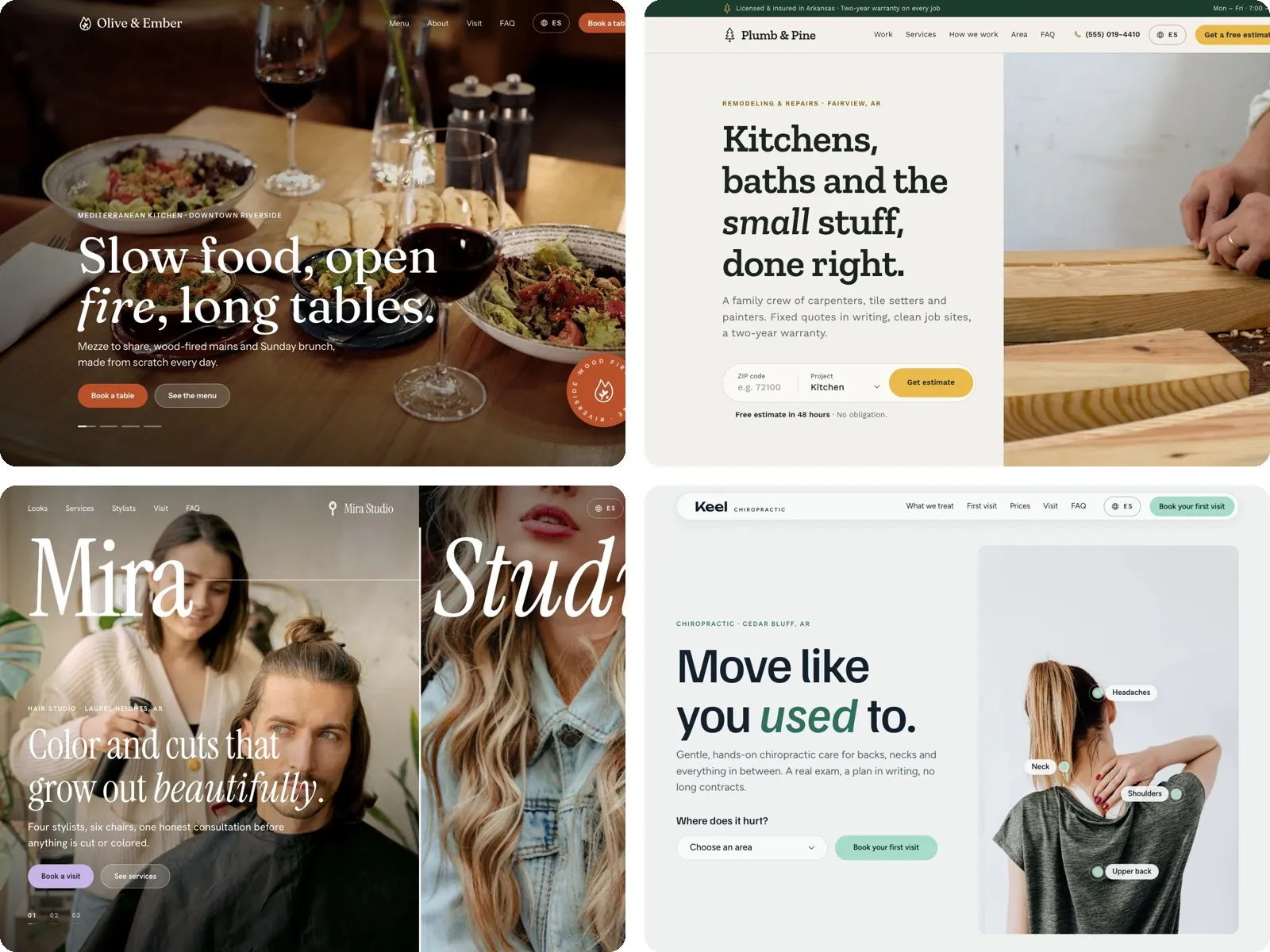
The real value of a custom website for B2B brands
Why a custom-designed website helps B2B brands stand out, from identity and user experience to conversion, SEO and credibility, plus the honest tradeoffs.

Many B2B companies underestimate their website and settle for a template with their logo on top. Templates have their place, but when buyers compare vendors, your site is often their first real look at your company. A custom-designed site, planned around your brand, your buyers and your sales process, gives you an edge a template can’t. Here’s where the value comes from.
1. Unique brand identity
A custom site reinforces your brand identity and sets you apart from competitors. Templates are convenient, but many other companies use the same ones, so they rarely reflect your personality or positioning.
2. Better user experience
Templates can come loaded with sections and features you don’t need, which adds weight and makes navigation harder. A custom site is designed around your buyer’s journey: what they need to see, in what order, and where they go next.
3. Designed for conversion
Custom design lets you guide visitors toward the actions that matter, whether that’s booking a demo, downloading a white paper or signing up for a newsletter. Every page can be built around one clear next step.
4. SEO advantage
Search engines reward sites that are fast, well structured and easy to use. A custom build gives you control over page speed, heading structure and content organized around the terms your buyers actually search, and lets you make sure the site works well on every screen size.
5. Scalability and flexibility
Your website should grow with the business. Templates can be hard to stretch when you add products, audiences or content types. A custom site built on a clear system of reusable sections makes new pages faster to add and keeps them consistent.
6. Enhanced credibility
B2B buyers often judge a company’s professionalism by its website. A considered, well-designed site signals that you take your work, and theirs, seriously.
7. Return on investment
A custom site costs more up front. It pays back when it helps you convert more of the visitors you already have, saves you from repeated redesigns and gives your sales team a site they’re glad to send prospects to.
Common objections to custom websites
It’s normal to have reservations about a custom website. Here are the most common ones:
- Cost: a custom site is a bigger up-front investment, and the platform you choose affects both build and running costs. Our comparison of Framer, Webflow and WordPress covers the tradeoffs.
- Maintenance: custom doesn’t have to mean hard to update. Built on a visual platform or a well-structured CMS, a custom site can be as easy for your team to edit as a template.
- Time: custom sites take longer to plan and design. That time goes into structure, messaging and content, the decisions a template skips and the ones that make a site work.
Best practices for getting the most from a custom website
- Define objectives early: agree on what the site must achieve before design starts, so every decision ties back to a clear goal.
- Design for your audience: simplicity, clarity and predictable navigation should drive every page.
- Keep it current: update content, case studies and product information regularly.
- Measure it: use an analytics tool such as Google Analytics to see what’s working, then refine.
Where the brand comes in
A custom website is only as distinctive as the brand behind it. Before layouts and pages, you need a clear identity: a logo, a palette, type and a voice that hold up everywhere. Our concept brands show that path from start to finish. For Quantro, a fictional financial operations platform, we designed the identity first, then carried it into a Framer website, print pieces and signage.
A custom-designed website gives B2B brands a real advantage in credibility, user experience and growth. If your identity needs work before your site does, tell us about your brand. Running a local business instead? Our small business websites start at $750 and go live in days.