The power of professional design for your business
Why professional design matters for business: better first impressions, credibility, engagement and conversions, and how to put it into practice.
Professional design plays a big part in how a business is perceived, from the first impression to a brand people remember. In this post we look at what professional design is, why it’s worth investing in, what inconsistent design costs you and how to put good design into practice.
The importance of professional design
What is professional design?
Professional design covers every visual element a skilled designer creates to communicate a brand’s message: logos, websites, presentations, marketing materials, ads and more. It’s defined by quality, attention to detail and alignment with the brand’s identity and goals.
Why invest in professional design?
First, it improves how people perceive your brand by presenting a polished, cohesive image. Second, it helps set your business apart from competitors. Third, it builds trust and engagement, which makes people more likely to act.
Key elements of professional design
Strong professional design brings together a clear visual identity, consistent branding, high-quality images, effective typography and a user-friendly layout. Each one contributes to a brand presence that’s compelling and memorable.
Strengthening your brand identity
Professional design keeps every visual element consistent and aligned with your brand’s values and message. That consistency is what builds recognition and loyalty over time.
Benefits of professional design
1. First impressions matter
Professional design helps you make a strong first impression. Whether it’s your website, your business card or your social profile, a professional look signals credibility and encourages people to engage with your brand.
2. Increased credibility
High-quality design shows customers that you take your brand seriously and are committed to quality. That builds trust and loyalty.
3. Better engagement
Well-designed visuals capture attention and hold it, keeping your audience interested in your content and more likely to interact with your brand.
4. Higher conversion rates
Well-designed marketing materials and ads convey your message clearly and make it easier for people to take action, whether that’s making a purchase, signing up for a newsletter or getting in touch.
5. Competitive advantage
In a crowded market, standing out matters. Professional design makes your business more memorable and more appealing to the people you want to reach.
The cost of inconsistent design
Outdated or inconsistent design doesn’t just look unprofessional; it sends the wrong message. It can make a business seem disorganized or out of touch, or worse, less trustworthy. Good design isn’t decoration. It comes from strategic clarity, a consistent look across every format and a focus on what your audience needs to know. When those line up, people take your content, and your company, more seriously.
How to put professional design into practice
Hire a professional designer
One of the best ways to get professional results is to work with a skilled designer. A good designer brings the experience to create visuals that look good and serve your goals, simplifies complex messages and keeps your identity consistent across print and digital.
Use design tools and resources
If hiring a designer isn’t feasible yet, tools such as Adobe Creative Cloud, Figma and Canva offer templates and features that can help you create professional-looking work.
Maintain consistency
Keep every visual element, from your logo to your marketing collateral, consistent in style, color and messaging. It builds a cohesive identity and makes your brand easier to recognize.
Stay current, but stay on brand
Design keeps evolving, and following trends can help your work feel modern and relevant. Just make sure every update stays true to your brand identity.
Final thoughts
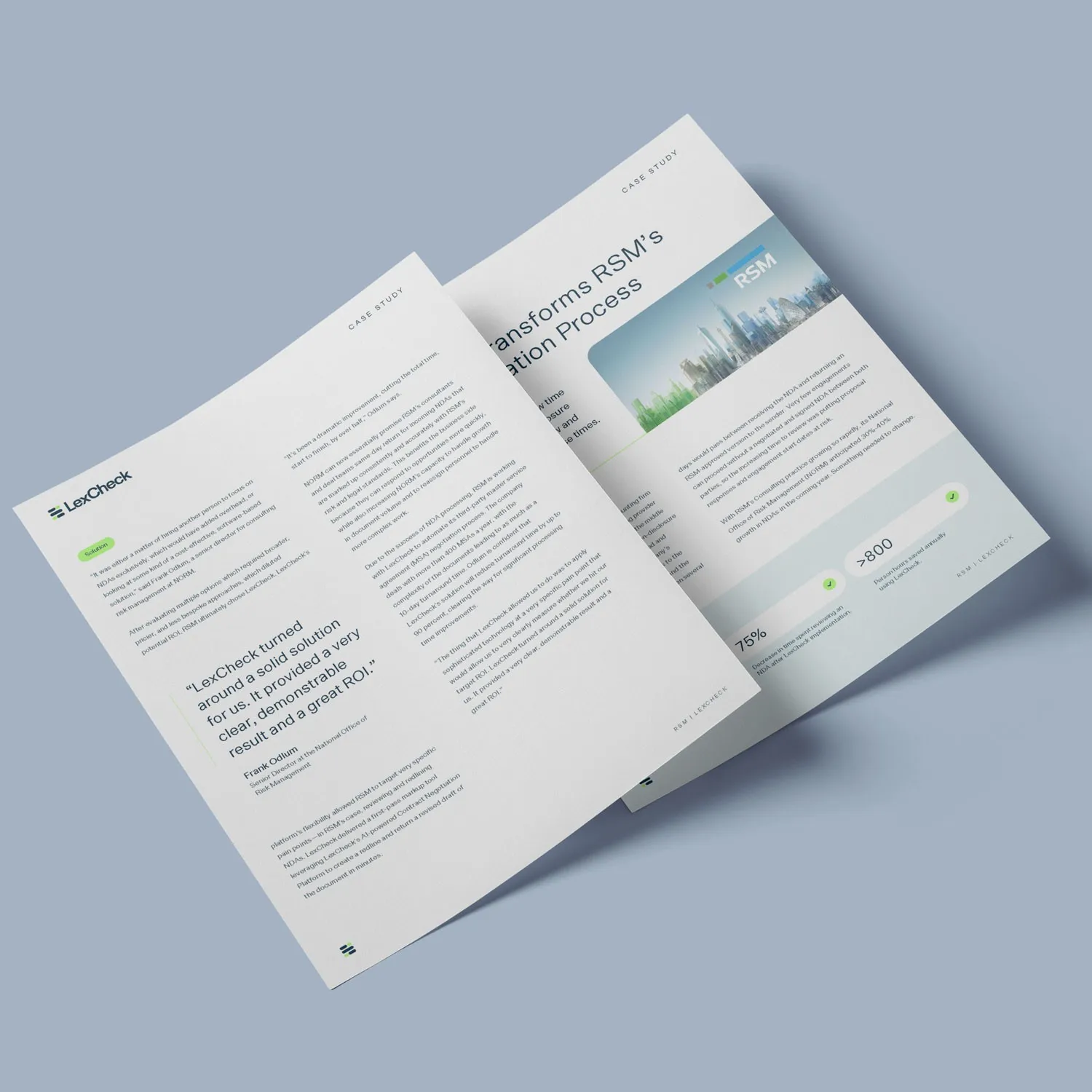
The customer case study above, which we designed for LexCheck, shows what professional design does in practice: it turns a complex story into something people can read at a glance and share with confidence.
Professional design isn’t a luxury. It improves your credibility, engagement and conversions, and it helps you build a strong, memorable brand. If you have a project coming up, tell us about it.